
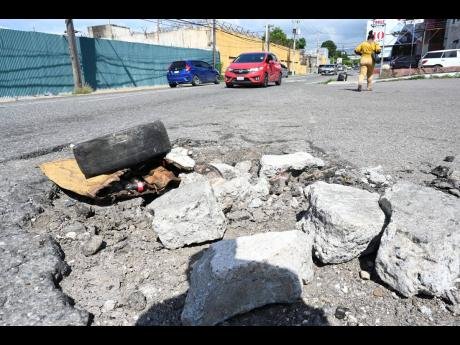





Across Jamaica, potholes remain a persistent challenge for motorists, pedestrians, and public transport operators. From major roadways to smaller community streets, deteriorating road surfaces continue to affect daily travel, vehicle maintenance costs, and overall road safety.
While road rehabilitation projects are ongoing in several areas, the presence of potholes remains a concern for many road users, particularly during periods of heavy rainfall when damage tends to worsen.
How Potholes Form on Jamaican Roads
Potholes typically develop when water seeps into cracks in the road surface. Over time, repeated traffic movement weakens the pavement, causing sections to break apart. In Jamaica, this process is often accelerated by heavy rains, inadequate drainage, and the natural aging of road infrastructure.
In some areas, temporary repairs provide short-term relief but may not always withstand prolonged weather exposure or heavy vehicle use. As a result, the same sections of road often require repeated attention.
The Impact on Drivers and Commuters
For drivers, potholes present both safety and financial concerns. Sudden swerving to avoid damaged areas can increase the risk of collisions, especially on busy roads or at night when visibility is reduced.
Vehicle damage is another major issue. Tyres, rims, suspension systems, and alignment can all be affected by repeated contact with potholes. For many motorists, repair costs add to the already high expenses associated with fuel, insurance, and regular maintenance.
Public transport operators are also impacted. Route taxis and buses must navigate damaged roads daily, which can slow travel times and contribute to wear and tear on vehicles. Passengers may experience longer commutes and less comfortable journeys as a result.
Effects on Pedestrians and Communities
Potholes do not only affect drivers. Pedestrians often face challenges when sidewalks or road edges are damaged, particularly during rainy periods when water-filled potholes are difficult to see.
In residential communities, poor road conditions can limit access for emergency vehicles, delivery services, and utility crews. Businesses located along damaged roads may also experience reduced customer traffic due to accessibility concerns.
Road Repairs and Ongoing Challenges
Road improvement works are carried out across the island each year, including resurfacing, patching, and drainage upgrades. However, maintaining an extensive road network requires consistent funding, planning, and monitoring.
Weather-related damage, increased traffic volume, and rising construction costs all contribute to the difficulty of keeping roads in good condition. In some cases, repairs must be prioritised based on traffic flow and safety risks, meaning smaller roads may wait longer for attention.
The Role of Reporting and Maintenance
Timely reporting of damaged road sections plays an important role in maintenance efforts. When issues are identified early, repairs can sometimes be made before potholes expand and cause more serious damage.
Routine maintenance, proper drainage systems, and durable repair materials are key factors in improving long-term road conditions. Preventative measures often prove more cost-effective than repeated emergency repairs.
Looking Ahead
While potholes remain a familiar frustration for many Jamaicans, addressing the issue requires ongoing investment, planning, and cooperation between road authorities and communities.
Improved infrastructure, effective drainage, and consistent maintenance can reduce the frequency and severity of road damage over time. For road users, patience and caution remain essential while travelling on affected routes.
As Jamaica continues to develop, reliable and safe roadways remain a vital part of economic activity, community access, and daily life.

Leave a Reply