
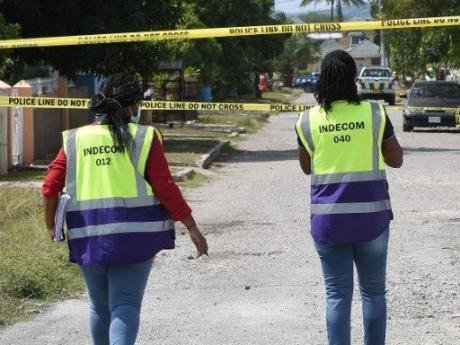





New data from the Independent Commission of Investigations (INDECOM) has once again intensified national concern over the rising number of Jamaicans killed by members of the security forces. As of January 19, at least 21 people have been fatally shot by police since the start of the year.
This marks the 14th straight month in which 20 or more people have died in police-involved shootings, a troubling pattern that began in December 2024 and has continued into January 2026. The figure already places January 2026 above a threshold that has become an alarming constant in Jamaica’s crime-fighting landscape.
For comparison, 28 people were killed by security forces in January 2025. Meanwhile, INDECOM’s year-end figures for 2025 revealed a staggering 311 fatal police shootings—representing a 65 per cent increase over the previous year. The oversight body described the trend as deeply troubling, sparking renewed debate about accountability, excessive force, and the value placed on young Jamaican lives.
Public outrage has grown sharper in light of cases where families and rights groups insist the victims were unarmed and posed no immediate threat. Central among these is the killing of Jahmar Farqhanson, whose death has become a symbol of what critics describe as a police force increasingly operating without restraint.
According to information raised by relatives and activists, evidence from body-worn camera footage reportedly shows officers unplugging or disabling a camera during the operation that led to Farqhanson’s death. Even more troubling, it has been alleged that Jahmar’s name was not listed on any warrant at the time of the incident. These claims have fueled widespread anger and suspicion, with many Jamaicans questioning why lethal force was used at all.

Farqhanson’s family maintains that he was innocent and should never have been treated as a target. His killing has resonated deeply across communities already traumatised by repeated reports of young men being shot during police operations, often with conflicting official accounts and limited transparency afterward.
Police officials have continued to insist that fatal shootings occur during confrontations with armed suspects and in situations where officers act in self-defence or in defence of others. However, critics argue that cases like Jahmar Farqhanson’s undermine that narrative and point to a culture where deadly force is deployed too quickly, especially against young, poor Jamaicans.
Human rights advocates warn that the persistent rise in police killings, combined with allegations of evidence tampering and questionable warrants, risks normalising state violence. They argue that without firm accountability, public trust in law enforcement will continue to erode.
In response to mounting pressure, the police have announced the acquisition of 1,000 new body-worn cameras, aimed at improving transparency and evidence gathering. Still, concerns remain after authorities confirmed that the police will determine where the cameras are deployed, a decision critics say weakens independent oversight.
As 2026 progresses, attention remains fixed on whether the deadly trend will continue—and whether justice will be served for victims like Jahmar Farqhanson. For many Jamaicans, his story underscores a painful reality: until meaningful reforms are enforced, innocent youths may continue to pay the ultimate price in the name of policing.

Leave a Reply